Preserving Persian Identity Through Food Across the World
Food is one of the most powerful ways people keep their cultural identity alive—especially when they move far from home. The history of Persian cuisine is more than a list of ingredients; it is a story of memory, resilience, and the unbreakable bond between people and their homeland.
For the Iranian diaspora—particularly communities in culturally rich cities like Melbourne—cooking traditional Persian dishes has become a deeply meaningful ritual. At TheAliQapu, where Persian heritage, art, and history are celebrated, we understand how food plays a central role in cultural preservation. Persian cuisine is not just nourishment; it is a connection to identity.
The Roots: What Makes Persian Cuisine Truly Unique
Before exploring how Persian cuisine transformed across borders, we must first understand its foundation. Persian cooking stretches back more than 2,500 years, influenced by:
- The ancient Persian Empire
- Silk Road trade routes
- Iran’s diverse climate and geography
- Centuries of cultural exchange
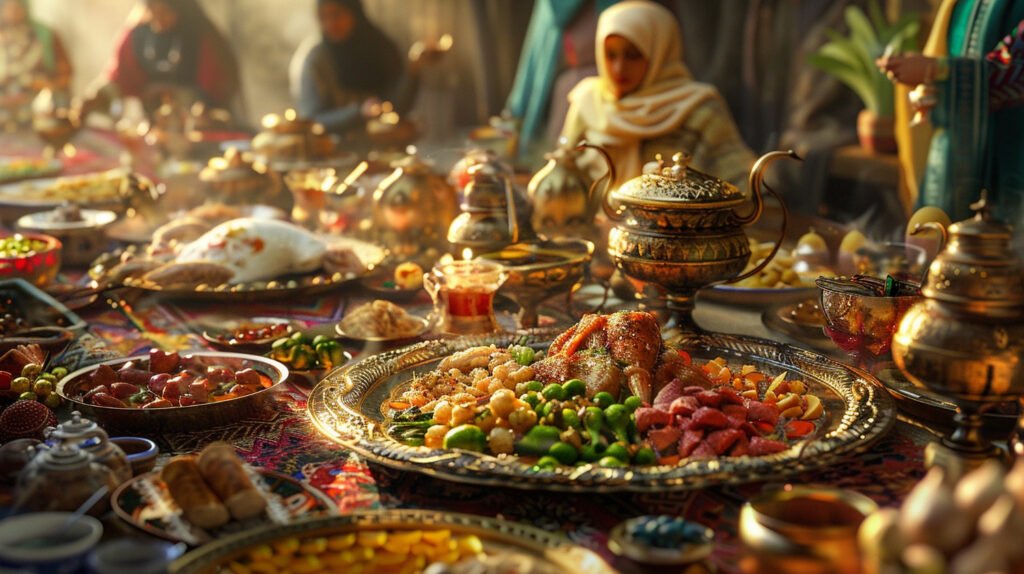
Persian cuisine is defined by balance—sweet, sour, salty, and bitter flavors harmonized with precision. Ingredients like saffron, pomegranate, walnuts, dried limes, pistachios, fresh herbs, and aromatic rice are not simply foods; they are cultural symbols and carriers of memory.
TheAliQapu often highlights how these ingredients reflect the depth of Persian heritage. Every spice tells a story. Every dish carries emotional significance.
Migration & Memory: How Iranians Preserved Their Culinary Roots Abroad
When large numbers of Iranians migrated in the 1970s and beyond, they faced a challenge:
How do you preserve your culinary identity when living far from Iran?
For diaspora families from Melbourne to Toronto, the answer was simple:
through food.
Mothers and grandmothers recreated traditional dishes using memory, intuition, and creativity. When authentic ingredients weren’t available, they adapted—planting herbs at home, searching multicultural markets, and sharing resources within Iranian communities.
Persian Culinary Preservation in Diaspora Homes
- Opening Persian restaurants that act as cultural hubs
- Growing traditional herbs like mint, tarragon, basil, and dill in home gardens
- Teaching younger generations through hands-on cooking
- Celebrating Nowruz, Yalda, and Persian feasts
- Sharing handwritten recipe notebooks and now digital recipe communities
At TheAliQapu, we see these traditions as living pieces of history that deserve to be documented, preserved, and shared.
How Persian Cuisine Evolved Without Losing Its Soul
One of the most remarkable aspects of diaspora cooking is its adaptation without dilution. When Iranian cooks abroad couldn’t find certain ingredients, they improvised:
- Substituting local meats while keeping traditional flavors
- Sourcing spices through specialty stores and importers
- Growing hard-to-find herbs in backyard gardens
- Using modern techniques while preserving ancient recipes
Despite these adaptations, the essence of Persian cuisine remained intact.
Younger generations added their own creativity—merging traditional dishes with modern cooking styles and using social media to keep Persian food culture alive globally. This evolution ensures Authentic Persian cuisine remains vibrant and relevant.
Why Persian Cuisine Matters Beyond the Dinner Table
For the Iranian diaspora, preparing Persian food is an act of cultural protection. It reinforces identity, connects generations, and helps families maintain a strong emotional link to the past.
At The Ali Qapu Persian Cuisine, our mission is to preserve these traditions and share the stories behind Persian culture. Whether it is food, art, architecture, or poetry, each contributes to a larger cultural narrative that deserves recognition.
When families abroad prepare ghormeh sabzi, zereshk polo, or a perfectly crisp tahdig, they are participating in a tradition thousands of years old. It is a continuation of history—one meal at a time.
Fun Facts About Persian Cuisine
- Saffron is more expensive than gold. It takes 150 crocus flowers to produce 1 gram.
- Persian cuisine is over 2,500 years old, making it one of the oldest documented culinary traditions.
- Pomegranate symbolizes abundance and appears in stews, rice dishes, and sauces.
- Tahdig is a culinary art, and perfecting it is considered a badge of honor in Persian households.
- Trade along the Silk Road shaped Persian flavors, merging influences from India, China, Central Asia, and Arab regions.
- Tea culture is central, with black tea served throughout the day as a symbol of hospitality.
Conclusion
The story of Persian cuisine is a story of heritage, identity, and continuity. For Iranians living around the world, cooking traditional food is an act of love and cultural protection. Each dish carries history, memory, and emotional meaning.
At TheAliQapu, we celebrate these stories—honoring Persian culinary heritage and sharing its cultural significance with a global audience. Food is not just flavor; it is connection, history, and humanity.
If you want to explore Persian culture more deeply, TheAliQapu is committed to guiding you through the traditions, flavors, and stories that define Iranian identity.
FAQ: Persian Cuisine & Diaspora Culture
Q: What makes Persian cuisine unique?
Persian food emphasizes aromatic herbs, saffron, pomegranates, and slow-cooked techniques that create balanced, layered flavors.
Q: How do Iranians abroad preserve their food culture?
Through cooking traditions, community gatherings, Persian restaurants, home herb gardens, and teaching younger generations.
Q: Is Persian cuisine expensive to make?
Only saffron is costly. Most dishes are prepared with simple ingredients and traditional herbs.
Q: Can you find authentic Persian restaurants in Melbourne?
Yes. Melbourne has a thriving Iranian community with many authentic Persian dining options.
Q: How do diaspora families source Iranian ingredients?
From Middle Eastern markets, specialty spice stores, online importers, and home-grown herbs.